@ Hyundai Motor Company
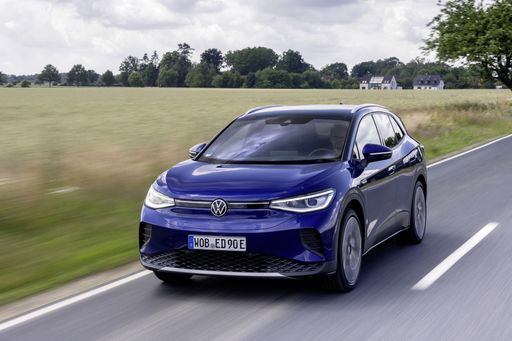
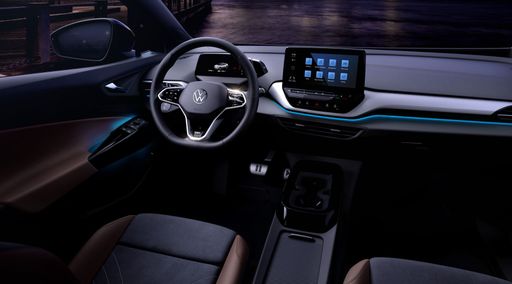
@ Volkswagen AG / VW Media
VS

Hyundai IONIQ 5 vs VW ID.4 – Vilken modell imponerar mest i vardagen?

Vardag, familj eller långresor – här visar sig skillnaderna.
Se om Hyundai IONIQ 5 eller VW ID.4 passar din livsstil bäst.

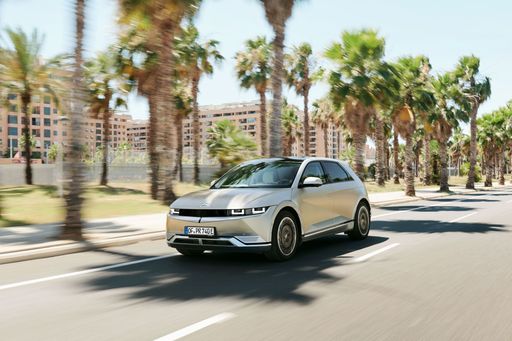
IONIQ 5 @ Hyundai Motor Company

Introduction

The electric vehicle (EV) market continues to expand, offering consumers a wide array of choices filled with technological innovations and sustainability. Two strong contenders in the electric SUV segment are the Hyundai IONIQ 5 and the Volkswagen ID.4. Both vehicles showcase unique advantages, impressive specifications, and cutting-edge technologies, making them appealing to different types of drivers. In this article, we will compare these two electric SUVs based on their technical aspects and innovations.

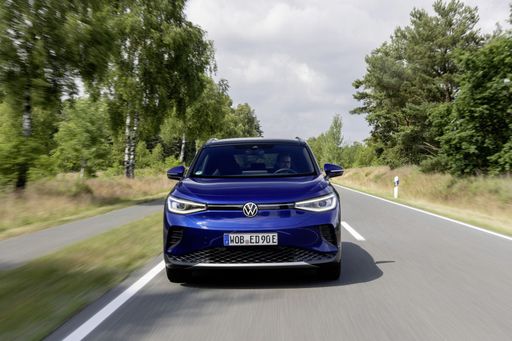
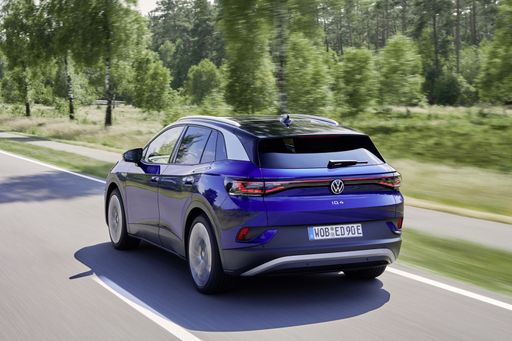
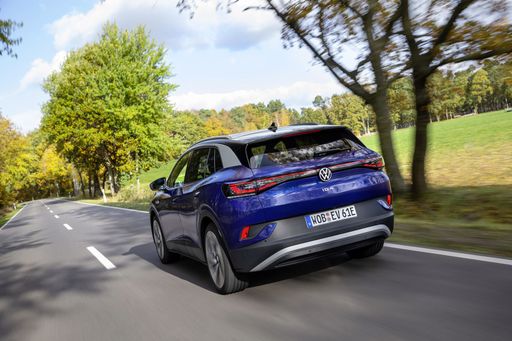
ID.4 @ Volkswagen AG / VW Media

Powertrain and Performance

The Hyundai IONIQ 5 offers a range of performance options with power outputs ranging from 170 HP to a staggering 609 HP in its high-performance variant. With rear-wheel and all-wheel drive configurations, this SUV boasts an acceleration time of just 3.5 seconds from 0 to 100 km/h for the performance model. The IONIQ 5's battery capacity options include 63 kWh and 84 kWh, enabling it to achieve an electric range of up to 570 km. This impressive figure is supported by a low consumption rate, with the most efficient variant consuming just 15.6 kWh per 100 km.

In contrast, the Volkswagen ID.4 comes with a slightly lower maximum power output peaking at 340 HP, offering a variety of configurations with power ranging from 170 HP to 286 HP. The ID.4 reaches 100 km/h in as little as 5.4 seconds in its most potent iteration. Its battery capacity is also competitive, featuring options of 52 kWh and 77 kWh, which allow for an electric range of up to 572 km. While both SUVs perform admirably, the IONIQ 5 appears to have a slight edge in power and acceleration, especially in its top-tier variant.

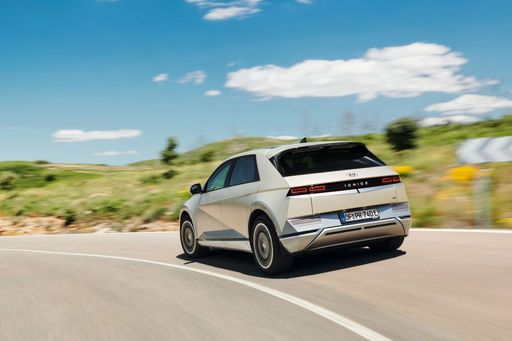
IONIQ 5 @ Hyundai Motor Company

Design and Dimensions

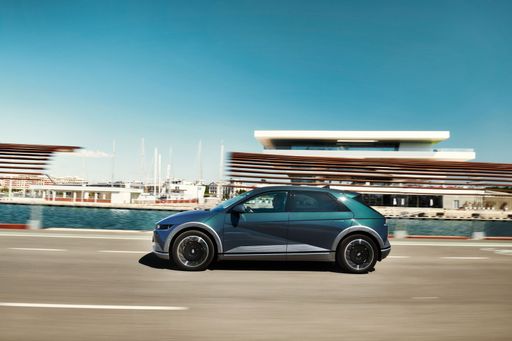
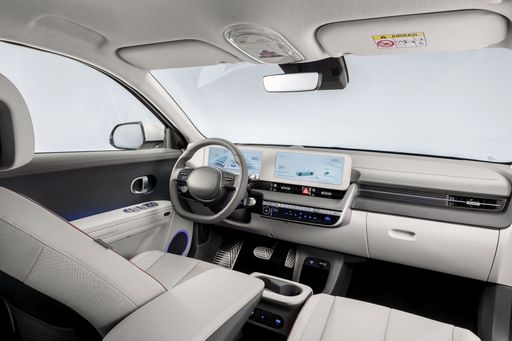
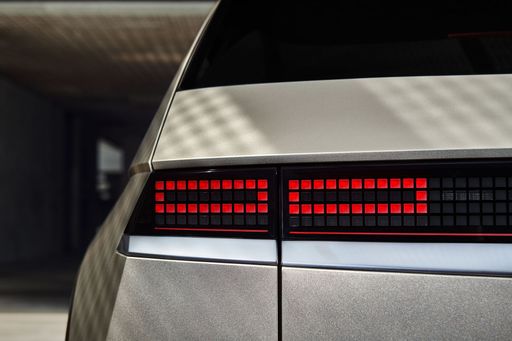
The IONIQ 5 features a distinctive design, combining retro elements with a futuristic aesthetic. It measures 4655 mm in length, 1890 mm in width, and 1605 mm in height, giving it a sleek profile. The SUV offers an impressive trunk capacity of 520 liters, making it practical for family use or road trips. Moreover, the IONIQ 5 is known for its spacious interior and high-quality materials, delivering a comfortable experience for all passengers.

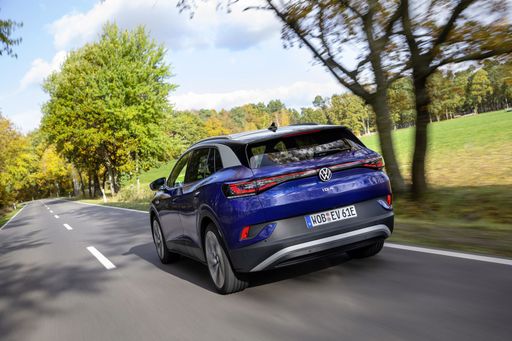
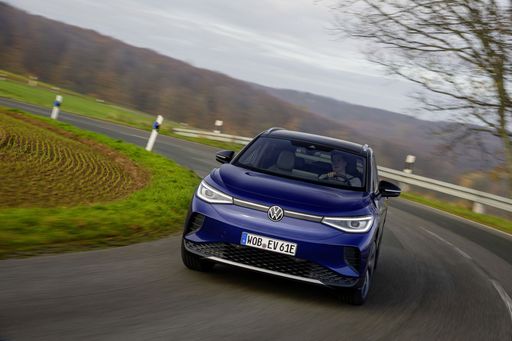
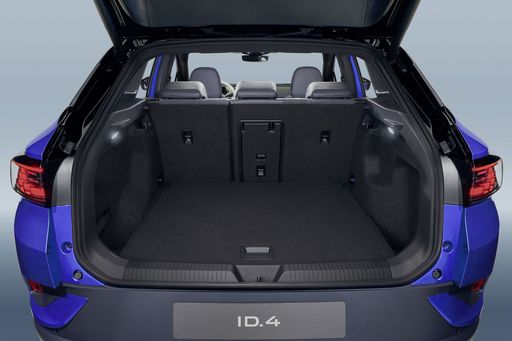
On the other hand, the VW ID.4 measures in slightly smaller at 4584 mm in length and 1852 mm in width, while its height reaches 1634 mm. Despite its reduced size, the ID.4 still provides a generous trunk space of 543 liters, creating a versatile storage option. Its design leans toward a more conventional SUV look, which might appeal to traditional VW enthusiasts. While both vehicles are spacious, the IONIQ 5 boasts a more innovative design language, whereas the ID.4 sticks to a more classic VW aesthetic.

ID.4 @ Volkswagen AG / VW Media

Technology and Innovations

Both the Hyundai IONIQ 5 and Volkswagen ID.4 are technologically advanced, featuring extensive infotainment systems, driver-assistance features, and connectivity options. The IONIQ 5 is equipped with a 12.3-inch digital cluster and a similarly sized infotainment display, offering intuitive access to navigation, music, and car settings. One of its standout features is its ultra-fast charging capability, with a maximum charging speed that allows an 80% charge in just 18 minutes.

The ID.4, in turn, prides itself on its ID. Cockpit, which includes a customizable digital display. It also supports over-the-air updates, enhancing the vehicle's functionality over time. The ID.4 features a host of driver-assistance technologies, including adaptive cruise control and lane-keeping assistance. Both vehicles are equipped with regenerative braking systems, further enhancing their efficiency and extending range.

IONIQ 5 @ Hyundai Motor Company

Environmental Impact and Efficiency

In terms of environmental impact, both the Hyundai IONIQ 5 and Volkswagen ID.4 have a CO2 efficiency class of A, indicating their low emissions and sustainable design. The IONIQ 5, with its lowest consumption rate of 15.6 kWh per 100 km, positions itself as one of the more efficient vehicles in its category. The ID.4’s energy consumption varies slightly, with a maximum of 16.8 kWh per 100 km, still within an impressive range for electric SUVs.

ID.4 @ Volkswagen AG / VW Media

Conclusion

In the battle between the Hyundai IONIQ 5 and Volkswagen ID.4, buyers are presented with two exceptional electric SUVs, each with its own strengths. The IONIQ 5 excels in performance with more powerful variants and exceptional range, coupled with a striking design and fast-charging capabilities. The ID.4, while slightly less powerful, offers a more traditional Volkswagen experience, packed with user-friendly technology and a well-designed interior.

Ultimately, the choice between the IONIQ 5 and ID.4 may come down to personal preferences in aesthetics, performance, or brand loyalty. Regardless of the choice, both vehicles represent the future of sustainable driving and elevated electric mobility.

Video - VW ID.4

Nu blir det konkret: de tekniska skillnaderna i detalj

IONIQ 5 @ Hyundai Motor Company

Kostnader och förbrukning

När det gäller ekonomi visar bilarna intressanta skillnader.

VW ID.4 har ett en aning prisförsprång – den börjar på 466100 kr, medan Hyundai IONIQ 5 kostar 518800 kr. Skillnaden är ungefär 52747 kr.

Elförbrukningen är nästan identisk – 15.60 kWh per 100 km.

När det gäller räckvidd presterar Hyundai IONIQ 5 minimal bättre: den klarar upp till 570 km, ungefär 1 km mer än VW ID.4.

ID.4 @ Volkswagen AG / VW Media

Motor och prestanda

Effekt, vridmoment och acceleration är klassiska värden för entusiaster – och här märks skillnaderna tydligt.

När det gäller motoreffekt har Hyundai IONIQ 5 ett betydligt övertag650 hk mot 340 hk. Det motsvarar ungefär 310 hk hk mer.

I accelerationen från 0 till 100 km/h är Hyundai IONIQ 5 avgörande snabbare – 3.50 s mot 5.40 s. Det är ungefär 1.90 s snabbare.

När det gäller toppfart ligger Hyundai IONIQ 5 märkbart före – den når 260 km/h, medan VW ID.4 stannar vid 180 km/h. Skillnaden är omkring 80 km/h.

Även när det gäller vridmoment finns skillnader: Hyundai IONIQ 5 drar lite kraftigare med 770 Nm mot 679 Nm. Skillnaden är cirka 91 Nm.

IONIQ 5 @ Hyundai Motor Company

Utrymme och praktisk användning

Kupéutrymme, bagage och lastförmåga är avgörande för vardagskomforten. Här räknas flexibilitet och bekvämlighet.

Båda bilarna har plats för 5 personer.

När det gäller tjänstevikt är Hyundai IONIQ 5 lätt lättare – 1955 kg mot 1975 kg. Skillnaden är omkring 20 kg.

När det gäller bagageutrymme erbjuder VW ID.4 minimal mer plats – 543 L mot 520 L. Skillnaden är omkring 23 L.

Vid maximal lastvolym presterar Hyundai IONIQ 5 minimal bättre – upp till 1580 L, cirka 5 L mer än VW ID.4.

När det gäller lastkapacitet vinner VW ID.4 lätt – 551 kg mot 530 kg. Skillnaden är ungefär 21 kg.

Vem vinner duellen?

Hyundai IONIQ 5 visar sig vara dominerar jämförelsen och blir därmed vår DriveDuel Champion!
I den här jämförelsen är Hyundai IONIQ 5 den mer kompletta allroundbilen.

från ca. 518 800 kr
IONIQ 5 @ Hyundai Motor Company

Hyundai IONIQ 5

  • Motortyp : El
  • Växellåda : Automatisk
  • Drivtyp : Bakhjulsdrift, Fyrhjulsdrift
  • Effekt (hk) : 170 - 650 hk
  • Förbrukning kWh/100 km : 15.6 - 21.2 kWh
  • Elektrisk räckvidd : 440 - 570 km

Hyundai IONIQ 5

Hyundai Ioniq 5 känns som ett framtidsriktat svar på hur en elbil ska se ut och fungera — modig design och ett luftigt inre som gör pendling till ren njutning. Den är tyst och lättkörd, perfekt för den som vill byta till el utan att offra komfort eller praktisk vardaglighet, och du kommer sannolikt le varje gång du sätter dig bakom ratten.

detaljer

VW ID.4

4.5 (2)
betygsätt

VW ID.4 känns som en praktisk och tyst elbil — rymlig, lättkörd och inriktad på vardagskomfort, plus att du slipper motorvrål. Den ser modern ut utan att vara prålig och levererar en avspänd mix av komfort och användbarhet, perfekt för familjen som vill byta till el utan att livet blir mer komplicerat.

detaljer
Hyundai IONIQ 5
VW ID.4
IONIQ 5 @ Hyundai Motor Company
ID.4 @ Volkswagen AG / VW Media

Kostnader och förbrukning

Pris
518800 - 865400 kr
Pris
466100 - 636000 kr
Förbrukning L/100 km
-
Förbrukning L/100 km
-
Förbrukning kWh/100 km
15.6 - 21.2 kWh
Förbrukning kWh/100 km
15.6 - 17 kWh
Elektrisk räckvidd
440 - 570 km
Elektrisk räckvidd
356 - 569 km
Batterikapacitet
63 - 84 kWh
Batterikapacitet
52 - 77 kWh
CO2
0 g/km
CO2
0 g/km
Tankvolym
-
Tankvolym
-

Mått och kaross

Karosstyp
SUV
Karosstyp
SUV
Säten
5
Säten
5
Dörrar
5
Dörrar
5
Tjänstevikt
1955 - 2275 kg
Tjänstevikt
1975 - 2248 kg
Bagageutrymme
480 - 520 L
Bagageutrymme
543 L
Längd
4655 - 4715 mm
Längd
4582 - 4584 mm
Bredd
1890 - 1940 mm
Bredd
1852 mm
Höjd
1585 - 1605 mm
Höjd
1619 - 1634 mm
Max bagageutrymme
1540 - 1580 L
Max bagageutrymme
1575 L
Lastkapacitet
385 - 530 kg
Lastkapacitet
511 - 551 kg

Motor och prestanda

Motortyp
El
Motortyp
El
Växellåda
Automatisk
Växellåda
Automatisk
Växellådsdetalj
Reduktionsväxellåda
Växellådsdetalj
Reduktionsväxellåda
Drivtyp
Bakhjulsdrift, Fyrhjulsdrift
Drivtyp
Bakhjulsdrift, Fyrhjulsdrift
Effekt (hk)
170 - 650 hk
Effekt (hk)
170 - 340 hk
Acceleration 0-100 km/h
3.5 - 8.5 s
Acceleration 0-100 km/h
5.4 - 9 s
Maxhastighet
185 - 260 km/h
Maxhastighet
160 - 180 km/h
Vridmoment
350 - 770 Nm
Vridmoment
310 - 679 Nm
Antal cylindrar
-
Antal cylindrar
-
Effekt (kW)
125 - 478 kW
Effekt (kW)
125 - 250 kW
Motorvolym
-
Motorvolym
-

Allmänt

Modellår
2024 - 2025
Modellår
2023 - 2025
CO2-effektivitetsklass
A
CO2-effektivitetsklass
A
Märke
Hyundai
Märke
VW
Vilka drivlinor finns för Hyundai IONIQ 5?

Hyundai IONIQ 5 finns som Bakhjulsdrift eller Fyrhjulsdrift.

De visade priserna och uppgifterna är uppskattningar baserade på tyska listpriser och kan variera beroende på land. Denna information är inte juridiskt bindande.