
 Deutschland
 France
 Nederland
 Great Britain
 Sverige
 Danmark
 Suomi
Suomi Italia
 Polska
 Česko
Česko España
VS
Hyundai i10 vs Suzuki Ignis jämförelse
Jämför prestanda (90 hk vs 83 hk), bagageutrymme och pris (196 300 kr vs 210 400 kr ) på ett ögonblick. Ta reda på vilken bil som är det bästa valet för dig – Hyundai i10 eller Suzuki Ignis.
Hyundai i10 vs Suzuki Ignis: de viktigaste skillnaderna
Alla detaljer om prestanda, förbrukning, räckvidd och bagageutrymme finns i den tekniska jämförelsen längre ner – där hittar du även användarrecensioner för båda modellerna.
i10
Kostnader och förbrukning
Pris och effektivitet är avgörande faktorer vid köp – och just här visar sig ofta de största skillnaderna.
Hyundai i10 är lätt billigare – den börjar på 196 300 kr , medan Suzuki Ignis kostar 210 400 kr . Skillnaden är ungefär 14 096 kr.
Bränsleförbrukningen är densamma – 4,9 L/100km.
Ignis
Motor och prestanda
Effekt, vridmoment och acceleration är klassiska värden för entusiaster – och här märks skillnaderna tydligt.
När det gäller motoreffekt har Hyundai i10 nästan omärkbart mer effekt – 90 hk mot 83 hk. Det motsvarar ungefär 7 hk mer.
I accelerationen från 0 till 100 km/h är Hyundai i10 något snabbare – 11,4 s mot 12,7 s. Det är ungefär 1,3 s snabbare.
När det gäller toppfart är Hyundai i10 nästan omärkbart snabbare – den når 175 km/h, medan Suzuki Ignis stannar vid 165 km/h. Skillnaden är omkring 10 km/h.
Även när det gäller vridmoment finns skillnader: Hyundai i10 drar tydligt kraftigare med 172 Nm mot 107 Nm. Skillnaden är cirka 65 Nm.
i10
Utrymme och praktisk användning
Utöver prestanda handlar det i vardagen om komfort och användbarhet. Här avgörs vilken bil som är mest praktisk.
Båda bilarna har plats för 5 personer.
När det gäller tjänstevikt är Suzuki Ignis lätt lättare – 935 kg mot 996 kg. Skillnaden är omkring 61 kg.
När det gäller bagageutrymme erbjuder Suzuki Ignis lätt mer plats – 267 L mot 252 L. Skillnaden är omkring 15 L.
Vid maximal lastvolym presterar Suzuki Ignis knappt bättre – upp till 1 100 L, cirka 50 L mer än Hyundai i10.
När det gäller lastkapacitet presterar Hyundai i10 lätt bättre – 423 kg mot 395 kg. Skillnaden är ungefär 28 kg.
Vem vinner racet i dataanalysen?
Hyundai i10 överträffar konkurrenten i nästan alla aspekter i den objektiva datajämförelsen.
Denna bedömning visar endast vilken modell som samlar flest poäng på pappret – inte vilken av de två bilarna som känns rätt för dig.
från 196 300 kr
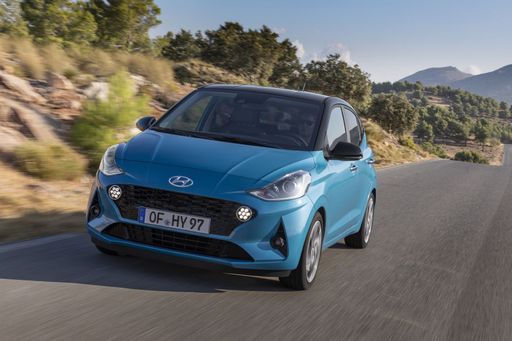
Hyundai i10
Hyundai i10
Suzuki Ignis
Kostnader och förbrukning
Visa detaljerad analys
Visa detaljerad analys
Motor och prestanda
Visa detaljerad analys
Visa detaljerad analys
Mått och kaross
Visa detaljerad analys
Visa detaljerad analys
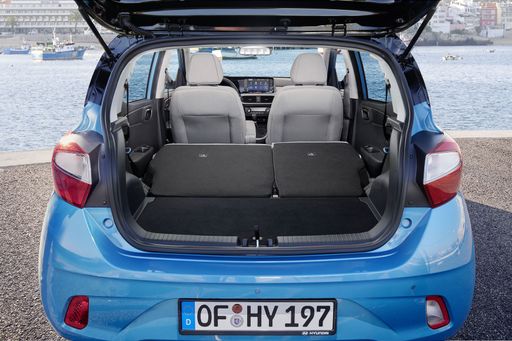
Hyundai i10
Hyundai i10 är en pigg och praktisk stadsbil som erbjuder oväntat mycket utrymme för sin storlek och gör vardagskörningen enkel och bekymmersfri. Med låg ägandekostnad, lätt att parkera och en design som sticker ut i trottoarvimlet är i10 ett smart val för den som vill ha en prisvärd och pålitlig pendlarvän.
detaljer
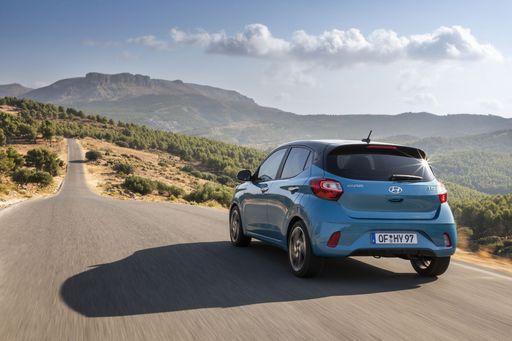
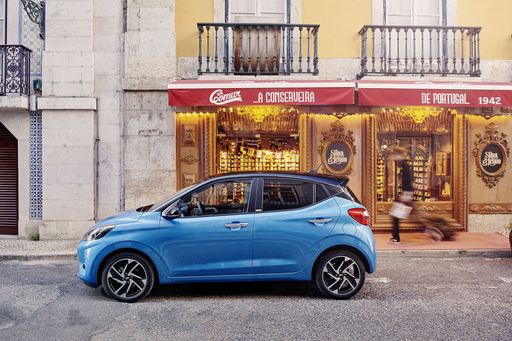
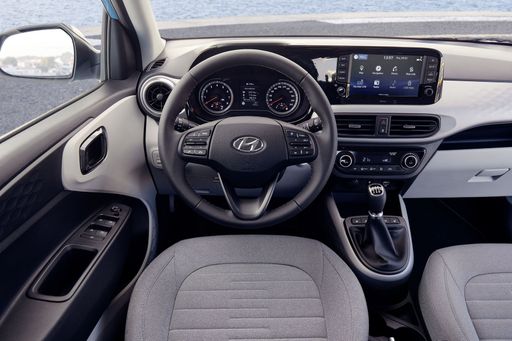
Suzuki Ignis
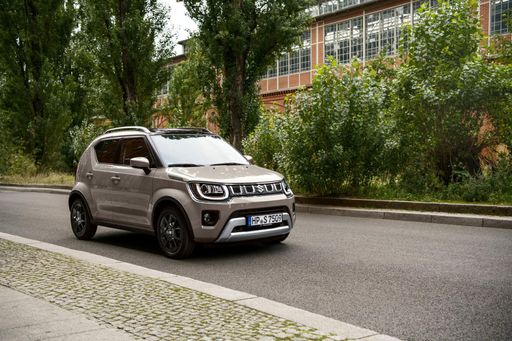
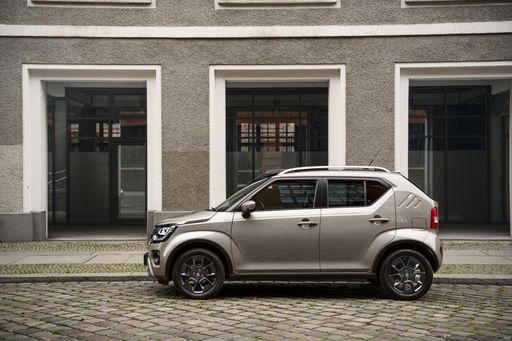
Suzuki Ignis är en kvick och charmig stadsjeep som rymmer överraskande mycket i en kompakt förpackning, perfekt för trånga gator och vardagsäventyr. Den levererar körglädje med låg ägandekostnad och en lekfull attityd — ett smart val för den som vill sticka ut utan att krångla till livet.
detaljer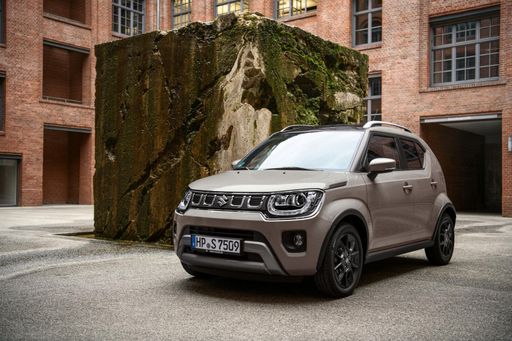
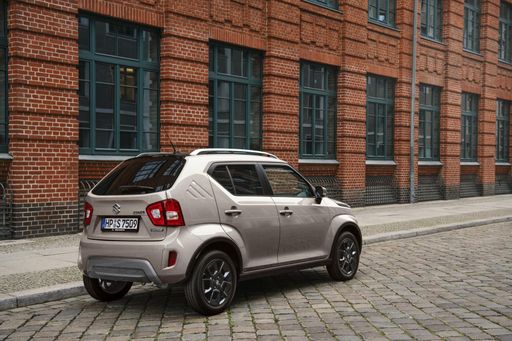
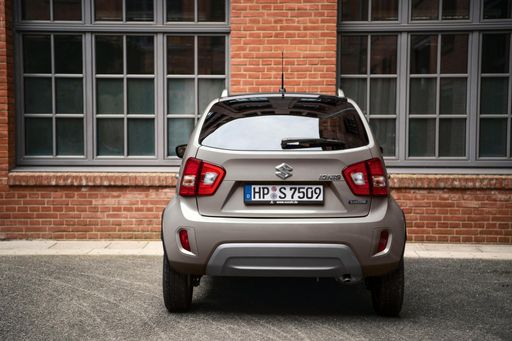
Hyundai i10
Suzuki Ignis
Kostnader och förbrukning |
|
|---|---|
|
Pris
196 300 - 256 400 kr
|
Pris
210 400 - 262 300 kr
|
|
Förbrukning L/100 km
4,9 - 5,5 L/100km
|
Förbrukning L/100 km
4,9 - 5,4 L/100km
|
|
Förbrukning kWh/100 km
-
|
Förbrukning kWh/100 km
-
|
|
Elektrisk räckvidd
-
|
Elektrisk räckvidd
-
|
|
Batterikapacitet
-
|
Batterikapacitet
-
|
|
CO2
110 - 124 g/km
|
CO2
110 - 122 g/km
|
|
Tankvolym
36 L
|
Tankvolym
30 - 32 L
|
Mått och kaross |
|
|---|---|
|
Karosstyp
Halvkombi
|
Karosstyp
SUV
|
|
Säten
4 - 5
|
Säten
4 - 5
|
|
Dörrar
5
|
Dörrar
5
|
|
Tjänstevikt
996 - 1 099 kg
|
Tjänstevikt
935 - 995 kg
|
|
Bagageutrymme
252 L
|
Bagageutrymme
204 - 267 L
|
|
Längd
3 670 - 3 675 mm
|
Längd
3 700 mm
|
|
Bredd
1 680 mm
|
Bredd
1 690 mm
|
|
Höjd
1 480 - 1 483 mm
|
Höjd
1 605 mm
|
|
Max bagageutrymme
1 050 L
|
Max bagageutrymme
1 086 - 1 100 L
|
|
Lastkapacitet
344 - 423 kg
|
Lastkapacitet
335 - 395 kg
|
Motor och prestanda |
|
|---|---|
|
Motortyp
Bensin
|
Motortyp
Bensin mildhybrid
|
|
Växellåda
Manuell, Automatisk
|
Växellåda
Manuell, Automatisk
|
|
Växellådsdetalj
Manuell växellåda, Automatiserad manuell
|
Växellådsdetalj
Manuell växellåda, CVT
|
|
Drivtyp
Framhjulsdrift
|
Drivtyp
Framhjulsdrift, Fyrhjulsdrift
|
|
Effekt (hk)
63 - 90 hk
|
Effekt (hk)
83 hk
|
|
Acceleration 0-100 km/h
11,4 - 18,4 s
|
Acceleration 0-100 km/h
12,7 - 12,8 s
|
|
Maxhastighet
143 - 175 km/h
|
Maxhastighet
155 - 165 km/h
|
|
Vridmoment
93 - 172 Nm
|
Vridmoment
107 Nm
|
|
Antal cylindrar
3 - 4
|
Antal cylindrar
4
|
|
Effekt (kW)
46 - 66 kW
|
Effekt (kW)
61 kW
|
|
Motorvolym
998 - 1 197 cm3
|
Motorvolym
1 197 cm3
|
Allmänt |
|
|---|---|
|
Modellår
2024
|
Modellår
2020
|
|
CO2-effektivitetsklass
C, D
|
CO2-effektivitetsklass
C, D
|
|
Märke
Hyundai
|
Märke
Suzuki
|
DriveDuel använder dataanalys och artificiell intelligens för att analysera fordonsdata och skapa innehåll. Innehållet granskas och förbättras regelbundet.
De visade priserna är uppskattningar baserade på tyska listpriser, justerade efter respektive lands moms. Landspecifika registreringsskatter ingår inte. Denna information är inte juridiskt bindande.